
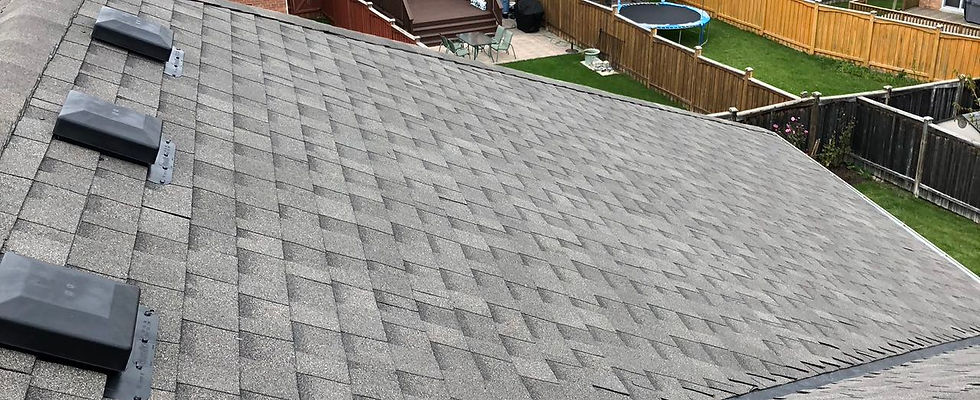
Here are the detailed steps involved in roof replacement:
-
Assessment of Current Condition: Firstly, a comprehensive assessment of the existing roof is conducted. This involves examining the materials, structure, degree of aging, and extent of damage to determine if a complete roof replacement is necessary.
-
Planning: Based on the assessment findings, a roof replacement plan is formulated. This includes identifying required materials, tools, and manpower, as well as developing a detailed schedule and budget.
-
Preparation: Before starting the roof replacement, the existing roof surface must be cleared. This may involve removing old tiles, dismantling damaged roofing materials, and clearing any accumulated debris or dirt.
-
Structural Repairs: The supporting structure beneath the roof is inspected to ensure its integrity. If necessary, repairs or reinforcements are carried out to support the weight of the new roof.
-
Installation of Waterproofing Layer: A waterproofing layer is installed on the roof structure. This typically involves laying a waterproof membrane or applying layers of asphalt felt to protect the house from water infiltration.
-
Installation of Roofing Materials: Based on the design plan and chosen materials, new roofing materials are installed. This could be tiles, metal sheets, wooden shingles, or other types of roofing materials.
-
Installation of Edges and Drainage Systems: Edges and drainage systems are installed on the roof to ensure smooth water runoff and prevent water pooling and penetration.
-
Sealing and Adjustment: After installing the new roof, sealing and adjustment work is carried out. All joints and detail areas are properly sealed to prevent water infiltration.
-
Cleaning and Inspection: The construction site is cleaned up, and a final inspection of the new roof is conducted. This ensures that all work meets standards and there are no oversights or defects.
-
Maintenance Plan: Finally, a regular maintenance plan for the roof is established. Regular inspections of the roof help identify and address any issues promptly, extending the roof's lifespan and maintaining its performance.
By following these steps, a comprehensive roof replacement can be ensured for aging, severely damaged, or in need of upgrade roofs, guaranteeing the long-term performance and safety of the roof.